
Signs to look for
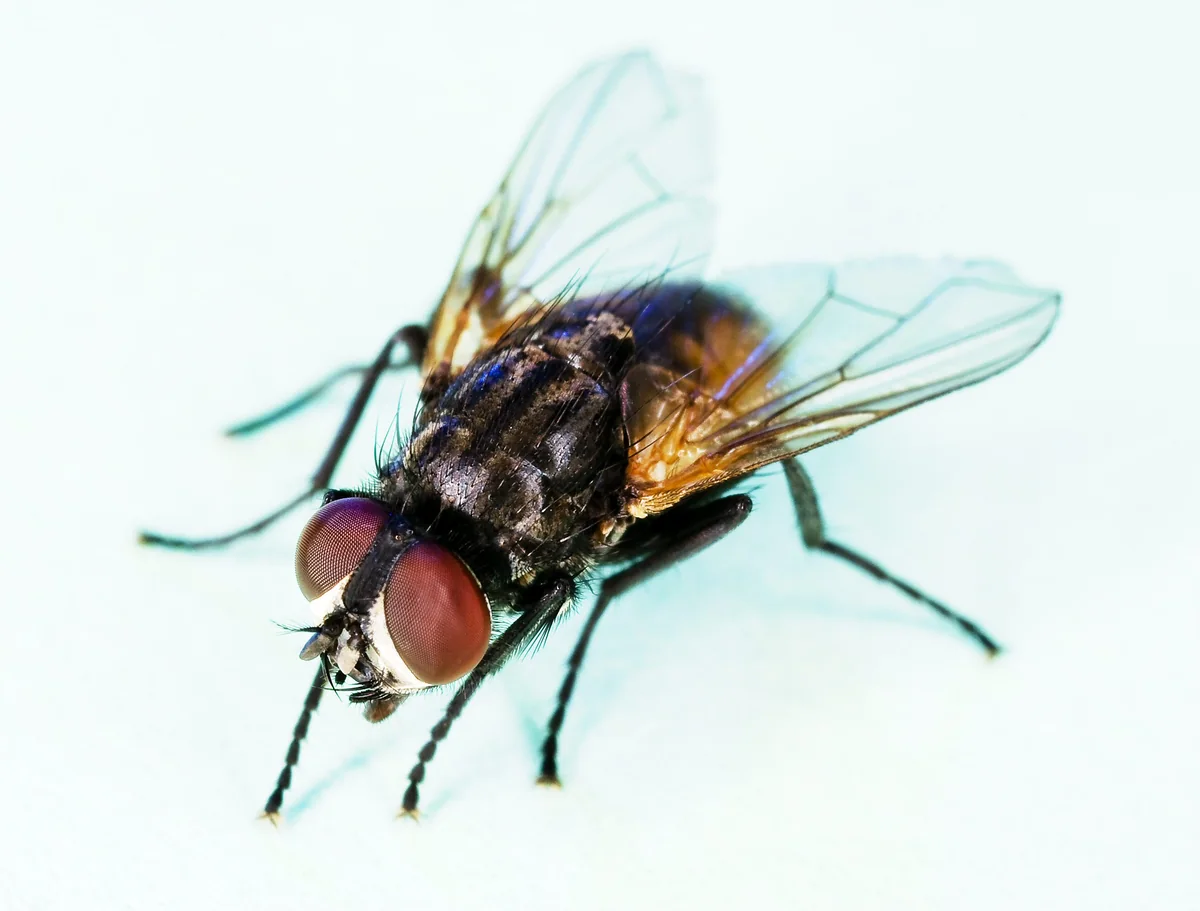
Persistent adult flies, larvae or activity around drains, trash, stored food or an inaccessible void can point to a breeding source.
How treatment starts
Identification narrows the search. The technician checks moisture, organic material, drains, waste areas, doors, screens and other likely entry points.
Timing and follow-up
Source removal comes first. Monitoring after cleaning or treatment shows whether the adult population is declining.
How to reduce repeat activity
Manage waste, clean drains with a method suited to the buildup, protect food and repair door sweeps and window screens.
What affects the price
Species, source location, sanitation work, property type and monitoring needs shape the quote.
Planning fly control in an apartment
Share your floor, the rooms involved and whether activity has been reported in adjoining spaces. Ask the building manager about access to shared utility routes, storage and refuse areas. Preparation and follow-up should match the identified pest and the treatment proposed for your property.
Common questions
Why do flies return after spraying?
Killing adults does not remove breeding material or the route bringing new flies inside.
Can small drain flies be identified?
Yes. A sample and inspection can separate common small flies and point to the right source.