

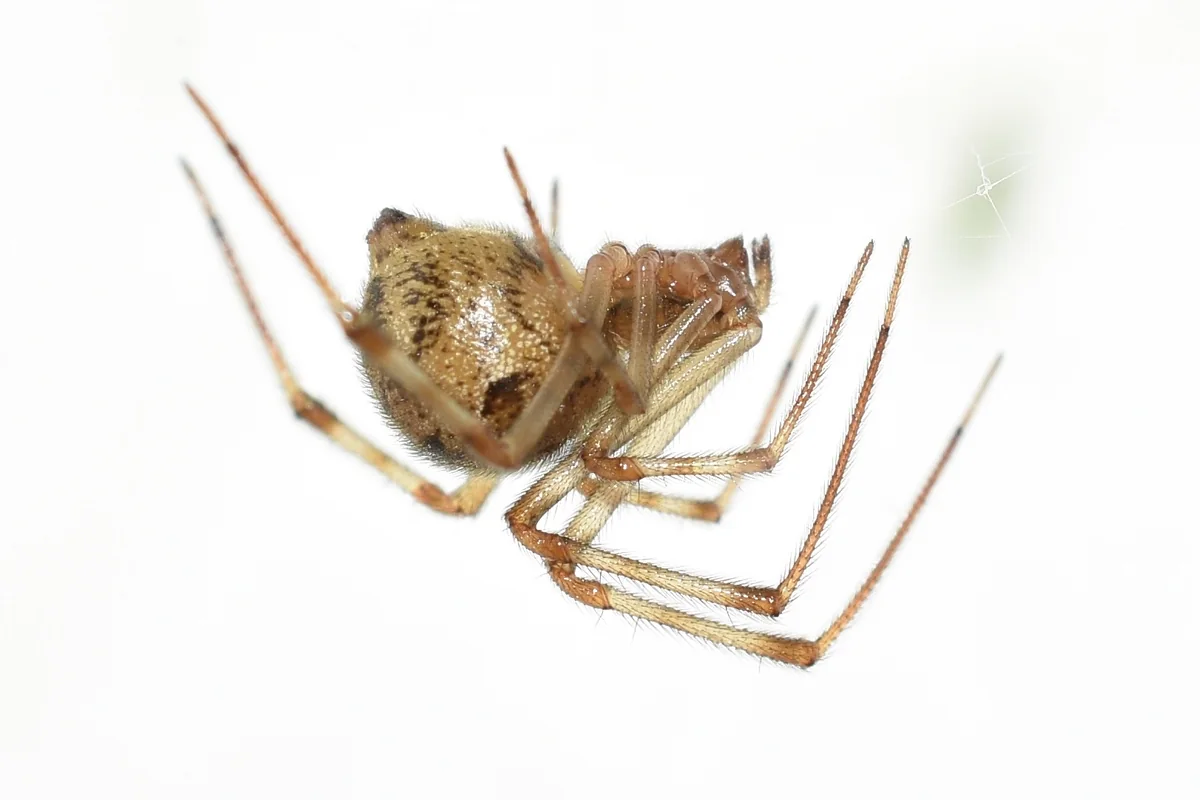
Signs to look for
Recurring webs, egg sacs and repeated sightings in basements, garages or window areas can indicate sheltered conditions and a steady supply of insects.
How treatment starts
The technician identifies the spider where possible, removes accessible webs and checks exterior lighting, moisture, prey insects and entry gaps.
Timing and follow-up
Web removal and targeted treatment may be paired with monitoring, especially when another insect problem is feeding the activity.
How to reduce repeat activity
Reduce clutter, close gaps, maintain screens, move exterior lights away from entry doors where practical and address prey insects.
What affects the price
Property size, access, spider species, web removal and the source of other insects affect price.
Planning spider control in an apartment
Share your floor, the rooms involved and whether activity has been reported in adjoining spaces. Ask the building manager about access to shared utility routes, storage and refuse areas. Preparation and follow-up should match the identified pest and the treatment proposed for your property.
Common questions
Are all spiders dangerous?
No. Avoid handling an unknown spider and arrange identification when there is a health concern.
Why does the plan mention other insects?
Spiders remain where food is available, so reducing prey can be central to long-term control.