

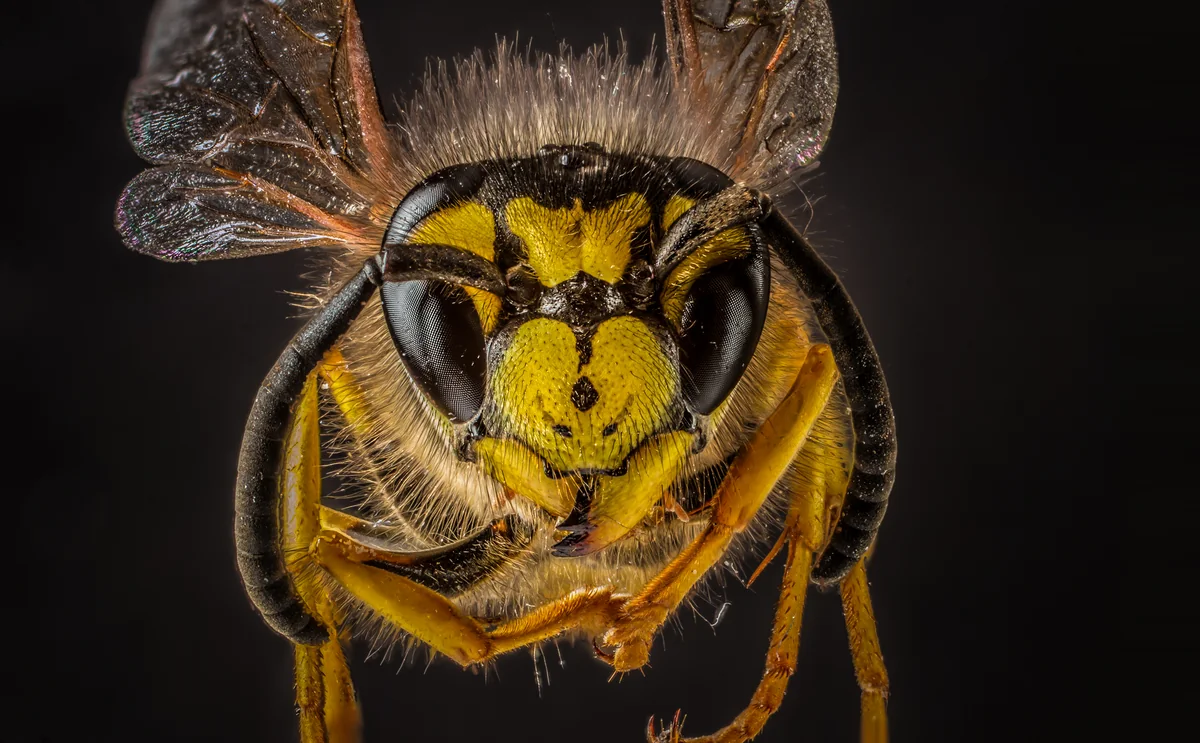
Signs to look for
Steady flight to one opening, visible paper nest material or insects entering a wall void can indicate an active nest. Keep people and pets away from the route.
How treatment starts
The technician identifies the insect, nest position and access risk. Honey bees and other beneficial pollinators may call for relocation or a different response.
Timing and follow-up
Species, height, access and a nest inside a wall can change the number and timing of visits.
How to reduce repeat activity
After activity has ended, repair suitable gaps, maintain screens and keep outdoor food, drink and waste covered.
What affects the price
Species, nest height, wall access, protective equipment, removal and repair requirements affect the quote.
Planning bee, wasp & hornet control in an apartment
Share your floor, the rooms involved and whether activity has been reported in adjoining spaces. Ask the building manager about access to shared utility routes, storage and refuse areas. Preparation and follow-up should match the identified pest and the treatment proposed for your property.
Common questions
Should I block the nest opening?
No. Blocking an active opening can redirect insects into the building and provoke defensive behavior.
Do you remove honey bees?
Call to confirm whether relocation or a beekeeper referral is available for your property and the insect identified.